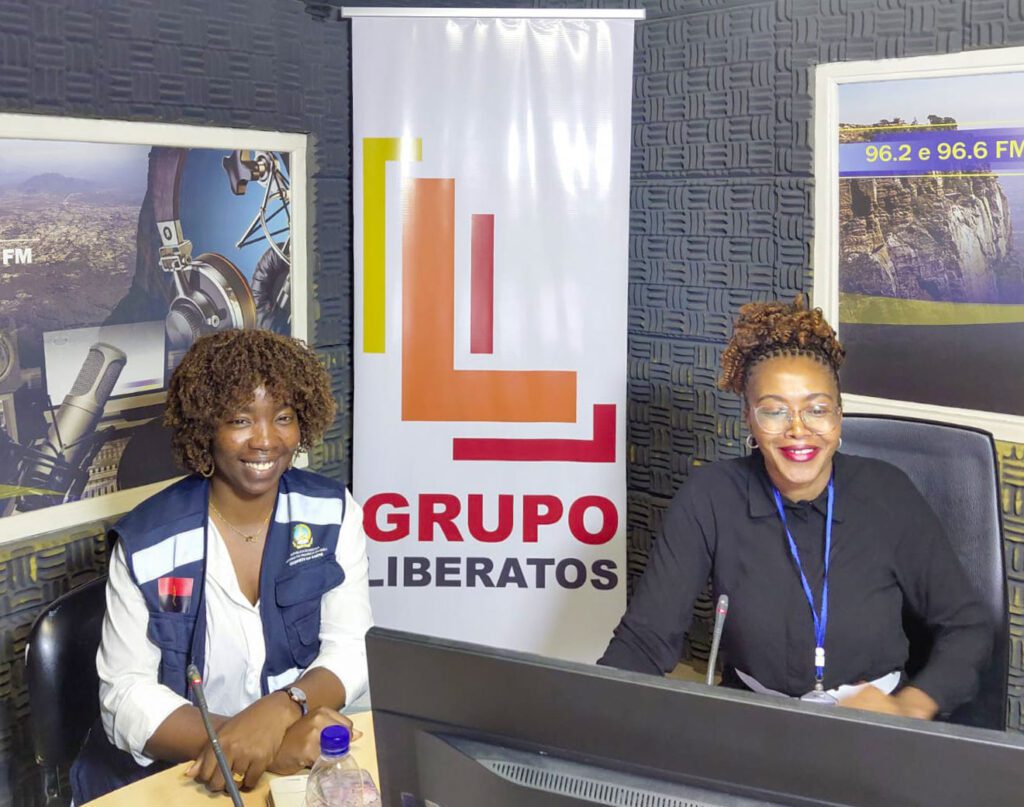
The latest edition of the program “Vamos Falar de Saúde” referring to the month of April, featured the participation of Dr. Kama Sandra Chimuco. In a clear and pedagogical approach, a specialist spoke about the role of the Family doctor in the Stroke Pathway.
Understanding Stroke and its Signs
During a conversation, a doctor began by clarifying what a stroke is and what its main types are. He explained that the symptoms manifest as acute neurological changes. Therefore, speed and accuracy in assessment are crucial.
In addition, he highlighted the use of specific clinical scales for diagnosis. In this context, he debunked the belief that left-sided stroke is always more fatal. According to a specialist, this is a myth without clinical basis.
Response Time and Treatment
Throughout the broadcast, listeners raised relevant questions. Among them, doubts about treatment methods stood out, including the possibility of surgery.
On the other hand, recovery was also discussed. She emphasized that medical response time is crucial. In other words, the faster the intervention, the greater the chances of recovery.
How the Stroke Green Pathway Works
One of the central points was the explanation of the Stroke Green Pathway. This is a system that begins in the community, with the early identification of signs.
Then, the patient is referred to reference hospital units. In these locations, they receive priority and specialized care. Tests such as computed tomography (CT) scans allow the type of stroke to be identified and guide treatment. After that, follow-up is done by a neurologist.
Risk Groups and New Challenges
An expert highlighted the main risk groups. Among them are hypertensive patients, decompensated diabetics, the elderly, and patients with sickle cell anemia. Thus, he reinforced the importance of controlling chronic diseases.
Meanwhile, regarding the increase in cases among young people… As explained, this scenario is linked to unhealthy lifestyles, anabolic steroid use, and excessive consumption of energy drinks.
The role of the family in recovery
Another relevant point was the role of the family. After hospital discharge, family support is essential for the patient’s reintegration.
In this sense, the family should promote inclusion, respect, and autonomy. Furthermore, the physiotherapist plays a fundamental role in functional recovery and improving quality of life.
Specific situations and final message
The transfer also addressed specific cases, such as stroke in pregnant women. In these cases, each situation must be evaluated individually.
Finally, more than a technical discussion, the program reinforces the importance of radio in health education. Thus, it continues to bring vital information to communities and contributes to the prevention and saving of lives.