Ideal Weight: Expert Explains How to Maintain a Healthy Life

As part of the “Vamos Falar de Saúde” program, broadcast this Wednesday, July 15th, on Radio Huíla and live on the Grupo Liberatos pages, Dr. Luzia Palaia, a specialist in General and Family Medicine, spoke about an essential health topic: what should be a person’s ideal weight and what foods should we consume to maintain it throughout life.

The initiative is part of the Yellow and Green July campaigns, dedicated to raising awareness of viral hepatitis and the prevention of head and neck cancer. Furthermore, it reinforces the importance of adopting healthy habits as a way to prevent various diseases.

What is ideal weight?

During the interview, the doctor clarified that ideal weight does not correspond to a single number. On the contrary, it is a range of values ​​appropriate to each person’s height, age, sex, and physical constitution.

“Ideal weight isn’t just a single rigid number, but rather a range of values ​​that suits each individual’s height, age, sex, and physical constitution, and which is reflected in the proper functioning of all the body’s systems,” she explained.

According to the specialist, this value is frequently assessed using the Body Mass Index (BMI). However, she stressed that it’s also important to consider the distribution of body fat and the amount of muscle mass.

Benefits of maintaining a healthy weight

Maintaining a healthy weight brings numerous advantages to the body. Among the main benefits, Dr. Luzia highlighted:

  • Reduced risk of cardiovascular disease;
  • Prevention of type 2 diabetes;
  • Lower probability of joint problems;
  • Decreased risk of some types of cancer;
  • Improved mood and physical capacity;
  • Better sleep quality;
  • Boosted self-esteem and emotional well-being.
  • A balanced diet is fundamental

Diet plays a decisive role in maintaining an ideal weight. Therefore, the specialist recommended a varied and balanced diet.

“We should prioritize vegetables, fruits, whole grains, legumes, and lean proteins, such as fish, poultry, and eggs. In addition, we should include healthy fats, present in olive oil, nuts, and oily fish,” she stated.

On the other hand, she advised reducing the consumption of sugars, salt, saturated fats, and processed foods. Similarly, she reminded everyone of the importance of drinking water regularly to ensure good hydration.

Prevention begins with good habits

When addressing obesity, the doctor emphasized that it is a condition that can be prevented through healthy choices.

“Prevention is always the best way to avoid disease,” she stressed.

According to her explanation, factors such as sedentary lifestyles, unbalanced diets, and the environment in which we live contribute to the increase in obesity. Thus, adopting good habits from an early age makes all the difference.

Among these habits, she highlighted mindful eating, regular physical activity, and quality sleep. Furthermore, she recommended eating slowly, chewing food well, and having meals in a calm environment. These behaviors foster a better relationship with food and contribute to well-being.

Watch the full interview

To learn all the explanations, recommendations, and tips from Dr. Luzia Palaia, watch the full interview on the official channels of the Liberatos Group.

YouTube: https://www.youtube.com/@LIBERATOS_ANGOLA

Facebook: https://web.facebook.com/share/v/1JxyD7QhjS/

Information is one of the best tools for prevention. Therefore, taking care of your health also begins with being well-informed.

Medical screenings reinforce well-being at the Liberatos Group

As part of its ongoing policy of social responsibility and valuing human capital, the Liberatos Group once again promoted a day of routine medical examinations and preventive screenings for its employees, in partnership with the Serneyle Medical Center.

The initiative, held at the company’s facilities, is part of a series of regular actions developed by the Group to promote health, prevent disease and reinforce a culture of well-being in the workplace, demonstrating a continuous commitment to the protection of its workers.

The activity was carried out in accordance with the guidelines for Occupational Health and Safety (OHS), reaffirming the importance that the organization attaches to prevention and periodic monitoring of the health status of its staff.

During the event, professionals from the Serneyle Medical Center conducted various clinical assessments, including blood pressure measurement, heart rate monitoring, oxygen saturation checks, and other routine examinations, allowing for the early identification of potential risk factors and encouraging the adoption of healthier lifestyle habits.

For the management of the Liberatos Group, investing in the health of its employees represents a strategic commitment. Healthy teams work with greater safety, motivation, and productivity, directly contributing to the quality of services provided and the sustainable growth of the company.

More than a one-off action, this initiative reflects a consolidated practice in the organizational culture of the Liberatos Group, which has been regularly promoting activities for prevention, awareness, and monitoring of the health of its employees. The company believes that caring for people is investing in its greatest asset: human capital.

With this latest round of medical screenings, the Liberatos Group reaffirms its commitment to continue creating an increasingly safe, healthy, and well-being-oriented work environment for all those who contribute daily to the organization’s success.

Healthy Lifestyle in Focus on Let’s Talk About Health

As part of the “Yellow & Green July” campaigns, dedicated to raising awareness about the fight against viral hepatitis and head and neck cancer, the radio program “Vamos Falar de Saúde” broadcast on Rádio Huíla (96.2 / 96.6 FM), featured a very special guest. Presenter Lucrécia Miguel welcomed Dr. Helena Glória Benedito Sachilombo, a renowned specialist in General and Family Medicine, to the studio for an enlightening and vital conversation about adopting a healthy lifestyle.

During the broadcast, Dr. Sachilombo demystified the main concepts surrounding physical and mental well-being. According to the specialist, a healthy lifestyle is not just about the absence of disease or restrictive diets, but rather a set of daily habits that promote longevity and quality of life. The concept is based on a continuous balance between proper nutrition, regular physical activity, adequate rest, and mental health. The doctor detailed the numerous direct benefits of this preventative behavior. “Opting for more conscious daily choices acts as a true protective shield for our bodies,” she stated. Among the main advantages highlighted by the specialist are:

  • A drastic reduction in the risk of developing chronic non-communicable diseases—such as hypertension, diabetes mellitus, and cardiovascular problems;
  • A significant improvement in daily disposition and a strengthening of the immune system.

The doctor also explained that small gestures, such as increasing water consumption, reducing the intake of sugars and saturated fats, and combating sedentary lifestyles with daily walks, generate a profound impact on public health in the long term.

At a time when the Liberatos Group is reinforcing its social commitment through the motto “We Build and We Care,” with the institutional support of the Government of Angola and the Provincial Government of Huíla, this interview serves as an urgent appeal for active prevention and self-care, fundamental pillars for the development of a stronger and more resilient society.

If you didn’t have the opportunity to watch this enriching dissertation live, or if you wish to review the valuable recommendations and detailed explanations of Dr. Helena Sachilombo, watch the complete interview on the official digital platforms of the Liberatos Group on YouTube and Facebook:

Liberatos Group Reinforces Presence in Cunene with Simultaneous Restoration of Several Bank Branches

Liberatos Group teams were deployed to the towns of Ondjiva and Santa Clara, covering strategic points in the Cunene province, where simultaneous renovation work was carried out on several bank branches belonging to Banco de Fomento Angola (BFA) and Banco Internacional de Crédito (BIC).

The operation mobilized specialized teams from different technical areas, allowing the parallel execution of several interventions without compromising the quality of services or the established deadlines.

The work included civil construction finishing, renovation of interior and exterior painting, as well as specialized technical maintenance actions, including the overhaul and repair of industrial generators, essential for the continuity of energy supply, and the inspection, monitoring and maintenance of electrical systems.

Although the Liberatos Group has been providing this type of service to BFA and BIC banks in the southern region of the country for several years, this operation stood out for the simultaneous execution of multiple interventions in different branches, demonstrating the company’s technical, logistical, and operational capacity to respond to larger and more complex projects.

More than a one-off intervention, this operation reaffirms a long-standing partnership built on trust, rigor, and the quality of services provided.

Over the years, the Liberatos Group has consolidated its position as a leading partner in the maintenance and rehabilitation of banking infrastructure, efficiently meeting the needs of its clients and contributing to the continuous improvement of the operating conditions of the institutions it serves.

Kidney Failure and Hemodialysis

The first edition of “Vamos Falar de Saúde” this month offered an in-depth look at a topic of extreme relevance to public health: Kidney Failure and Hemodialysis.

During the broadcast hosted by Lucrécia Miguel, Dr. Kassongo Tchiyama detailed the critical aspects of this silent pathology. According to the specialist, kidney failure is characterized by the progressive and irreversible loss of kidney function, vital organs responsible for filtering blood and eliminating toxins from the body.

The evolution of the pathology usually comprises five distinct phases, detailing how the dysfunction occurs in the human body.

  • In the initial stage (Phase 1), the kidneys show slight lesions but operate with a normal filtration rate.
  • As the disease progresses to Phases 2 and 3, a mild to moderate reduction in this capacity is observed, often with the first clinical signs appearing, albeit subtle.
  • In Stage 4, functional loss is already severe, requiring rigorous medical monitoring to avoid fatal complications.
  • Finally, Stage 5 represents end-stage renal failure, the point at which the kidneys lose the ability to sustain life autonomously.

At this terminal stage, Dr. Kassongo Tchiyama emphasized the vital importance of hemodialysis. This medical treatment acts as an artificial kidney, regularly cleaning and filtering the patient’s blood to ensure their survival.

However, the specialist expressed great concern regarding prevention, strongly urging the population to undergo preventive medical consultations and routine examinations in order to identify the disease early, before the damage becomes irreversible.

To watch the full interview and follow in detail all the explanations and recommendations shared by Dr. Kassongo Tchiyama, access the official pages of the Liberatos Group on Facebook and YouTube.

Dedication and Excellence in Focus: Liberatos Group Honors Employees of the Month

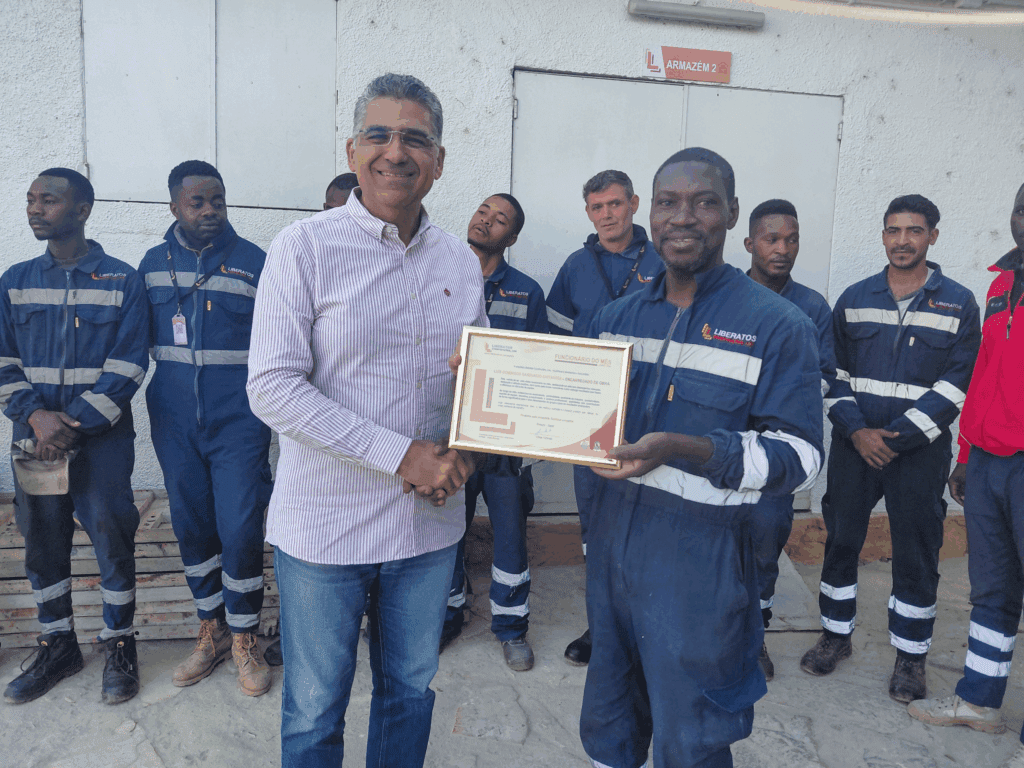
With immense pride and a deep sense of gratitude, the Liberatos Group is honored to announce the Employees of the Month for June: Luís D. S. Chitangui and Marcos Mayer Gaspar.

At our subsidiaries, Liberatos Construções, Lda. and Liberatos Manutec, Lda., great projects and excellent services are not built alone. They are the result of the talent, dedication, and commitment of extraordinary professionals. Luís and Marcos embody, with distinction, the institutional motto “We Build and We Care.” With high technical rigor, team spirit, and exemplary conduct, they have demonstrated that true professionalism is evident every day through well-executed work and assumed responsibility.

For Management, human capital is, without a doubt, the organization’s most valuable asset. Publicly recognizing these two professionals represents not only a just reward for individual merit but also a reaffirmation of the Liberatos Group’s ongoing commitment to valuing, developing, and recognizing those who contribute daily to its growth.

The success achieved in each project developed in Angola is a direct reflection of the commitment, pride, and excellence of employees like Luís Chitangui and Marcos Gaspar. By recognizing them as Employees of the Month for June, the Liberatos Group pays them a well-deserved tribute and encourages all employees to continue to base their work on the highest standards of quality, professionalism, and dedication.

“We extend our sincerest congratulations to Luís Chitangui and Marcos Gaspar for this well-deserved distinction. We are fully confident that they will continue to lead by example and raise the name of the Liberatos Group to ever higher levels. Thank you very much for your excellent work,” stated the General Director, César Liberato.

Protecting Angola for 15 Years: Liberatos Group Maintains Leadership in Pest Control

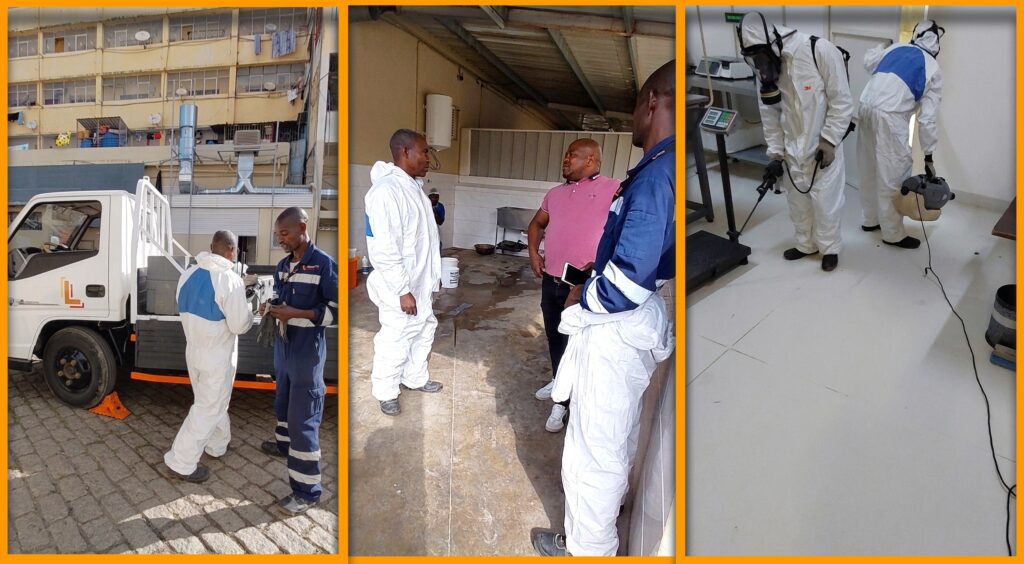
With over 15 years of experience, the Liberatos Group reaffirms its position as one of the leading national references in pest control, especially in the Southern Region of Angola.

Throughout its history, the company has consolidated its reputation through specialized pest control, rodent control, and disinfection services. As a result, it has protected industrial infrastructures, commercial establishments, food units, and residential complexes against the risks associated with urban pests.

The organization’s success is based on technical rigor and the use of certified products. Furthermore, the company continuously invests in the training of its teams and in strengthening its logistical capacity. Therefore, it can respond quickly and efficiently to customer needs.

Technology and Safety at the Service of Clients

Interventions follow modern Integrated Pest Management protocols. In this way, the company does not limit itself to eliminating infestation sources. It also implements preventive measures to avoid new occurrences. The technicians work with specialized equipment and follow strict safety standards. Furthermore, they use approved products that guarantee effectiveness and protection for people, facilities, and work environments.

Contribution to Public Health

The impact of the work carried out goes beyond the protection of businesses and residences. In fact, pest control reduces the risks of transmission of diseases associated with insects and rodents. Thus, it contributes directly to the promotion of public health.

The company holds certifications recognized by the competent authorities. Consequently, all operations are carried out in accordance with legal requirements and best practices in the sector.

Commitment to the Future

The Liberatos Group continues to invest in innovation and sustainability. To this end, it invests in the qualification of its professionals and in the adoption of increasingly modern and responsible solutions.

By celebrating this historic milestone, the company reinforces its commitment to continue offering excellent services. In this way, it aims to contribute to safer, healthier, and more protected environments in Angola.

Tuberculosis and Anemia: A Clinical and Educational Approach

Tuberculosis continues to represent one of the main public health challenges in our context, and its complications go far beyond the respiratory system.

In the last June episode of “Vamos Falar de Saúde” journalist Lucrécia Miguel conducted an in-depth interview with Dr. Juzelmira Nzau, a pulmonologist, about anemias associated with tuberculosis, as well as their mechanisms, risks, and forms of prevention.

How Tuberculosis Causes Anemia

According to the specialist, anemia associated with tuberculosis is part of the group of anemias of chronic disease. Thus, when the body is infected by Mycobacterium tuberculosis, a prolonged systemic inflammation is triggered.

Consequently, this inflammation interferes with the production of red blood cells in the bone marrow. Furthermore, it blocks the proper use of iron stored in the body. Therefore, even when iron reserves exist, the body cannot use them efficiently, resulting in a decrease in hemoglobin.

Types of Anemia Most Frequent in Clinical Practice

In hospital practice, Dr. Juzelmira Nzau highlighted that there are different types of anemia frequently observed. Among the main ones are:

  • Nutritional deficiency anemia, frequently associated with poor diet in patients with tuberculosis;
  • Sickle cell anemia, which has a strong genetic component in the region and requires rigorous monitoring.

Furthermore, the clinical approach tends to focus on the underlying causes, allowing for more effective and targeted treatment.

Diagnosis: Importance of a Complete Evaluation

For an accurate diagnosis, the doctor emphasized the need for a rigorous examination protocol.

First, a complete blood count is performed. Then, iron parameters such as ferritin, serum iron, and iron-binding capacity are evaluated. This data is essential to differentiate anemia due to inflammation from anemia due to deficiency.

On the other hand, in the context of tuberculosis, bacteriological examinations such as sputum smear microscopy and rapid molecular tests are equally important. Furthermore, chest X-rays allow for the assessment of the extent of lung infection and the response to treatment.

Pregnancy, tuberculosis, and anemia: a high-risk scenario

Regarding maternal and child health, the specialist warned that the combination of pregnancy, tuberculosis, and anemia represents a high-risk clinical scenario.

On the one hand, the mother may experience extreme weakness, greater vulnerability to infections, and an increased risk of hemorrhage during childbirth. On the other hand, the fetus may suffer from intrauterine growth retardation, premature birth, and low birth weight.

In addition, the doctor clarified that transmission of tuberculosis from mother to baby via the placenta is rare. However, the most significant risk occurs after birth, through the respiratory tract.

Prevention and care before and after childbirth

Therefore, early screening during prenatal care becomes fundamental. When diagnosed, the pregnant woman should begin immediate and supervised treatment, which is safe when properly monitored.

After delivery, additional protective measures are adopted. Among them, the use of a mask during breastfeeding, chemoprophylaxis in newborns, and BCG vaccination, as clinically indicated, stand out.

Nutrition and prevention of anemia

At the end of her presentation, the doctor reinforced the importance of nutrition in preventing anemia. In fact, the combination of iron-rich foods with vitamin C significantly improves the absorption of this mineral.

Among the recommended foods are beans and pork liver, both important sources of iron.

In addition, the specialist made an appeal for blood donation. In situations of severe anemia or hemorrhagic complications, the availability of blood can be crucial to saving lives.

Internet user participation
Question (Wanzanza Paladar): How does tuberculosis contribute to anemia?

Answer: Chronic inflammation reduces iron utilization and decreases red blood cell production, leading to anemia of chronic disease.

Question (Talziana Amadeu): Are yellowish or very white eyes signs of anemia?

Answer: Pale eyes can indicate anemia. However, yellowing is usually associated with liver problems or accelerated destruction of red blood cells.

Question (Carla Holo): Can a mother transmit tuberculosis to her baby?

Answer: Yes, especially after birth through the respiratory tract. Therefore, preventive measures and proper treatment are essential.

Watch the full interview on the Liberatos Group’s digital platforms: Facebook and Instagram.

Hemoptysis: Understanding the Causes and Risks

As part of the “Red June” and “Orange June” public health campaigns, dedicated to raising awareness about blood donation and combating anemia and leukemia, the program “Vamos Falar de Saúde” addressed a topic that frequently generates concern among the population: hemoptysis.

To clarify doubts about this condition, the program featured the participation of internal medicine pulmonologist Dr. Justina Romão, who explained the causes, warning signs, diagnostic methods, and main preventive measures.

What is hemoptysis?

During the interview, the specialist clarified that hemoptysis corresponds to the expulsion of blood from the lower respiratory tract through coughing. She explained that the blood usually has a bright red color and a foamy appearance. Furthermore, these characteristics help healthcare professionals identify the origin of the bleeding.

The doctor also emphasized that the presence of blood in sputum always requires medical attention. Therefore, early diagnosis plays a fundamental role in identifying the cause and defining the appropriate treatment.

How to distinguish hemoptysis from hematemesis?

One of the central points of the conversation was the difference between hemoptysis and hematemesis. While hemoptysis originates in the respiratory system and is usually preceded by episodes of coughing, hematemesis results from bleeding in the upper digestive tract and manifests itself through vomiting blood.

On the other hand, the blood expelled in hematemesis generally has a darker color and may be accompanied by nausea or abdominal discomfort. Therefore, correctly distinguishing between the two situations facilitates medical care and reduces the risk of misdiagnosis.

When does hemoptysis become dangerous?

Dr. Justina highlighted that hemoptysis can present different levels of severity:

  • In mild cases, only small amounts of blood are observed in the sputum.
  • In moderate cases, patients often require hospital care for monitoring and treatment.

In turn, massive hemoptysis constitutes a medical emergency. In these circumstances, bleeding can compromise breathing and put the patient’s life at risk. For this reason, seeking immediate medical assistance is essential.

Main causes of hemoptysis

Regarding the causes, the doctor explained that hemoptysis can result from respiratory infections, such as bronchitis, pneumonia, lung abscesses, and bronchiectasis. However, not all cases are related to infections.

The specialist mentioned that cardiovascular diseases, pulmonary thromboembolism, chest trauma, and lung cancer can also cause this clinical manifestation. Furthermore, smoking continues to be one of the main risk factors for several lung diseases associated with the problem.

Tuberculosis remains among the main causes in Angola

In the Angolan context, Dr. Justina Romão highlighted tuberculosis as one of the main causes of hemoptysis. The disease can cause significant lung damage and lead to potentially serious hemorrhages.

The specialist emphasized the importance of early diagnosis and strict adherence to treatment. Furthermore, she reminded viewers that tuberculosis treatment is available free of charge through the National Health System.

Prevention and Essential Care

As preventive measures, the doctor recommended seeking immediate medical attention whenever coughing up blood occurs. She also advised proper tuberculosis treatment, smoking cessation, control of heart disease, and reducing exposure to fumes and other irritants to the respiratory tract.

Finally, the specialist stressed that the presence of blood in a cough should never be ignored, as it may be a sign of diseases requiring urgent medical evaluation.

Watch the full interview

The Communications Department of the Liberatos Group informs that the full recording of this edition of the progra “Vamos Falar de Saúde” is available on the official Liberatos Group platforms on YouTube and Facebook.

Malaria and Blood Donation: A Life-Saving Link

This week’s “Vamos Falar de Saúde” brought together two experts to address a highly relevant public health issue: the relationship between malaria and the need for blood transfusions.

Broadcast on Radio Huíla 96.2/96.6 FM and the digital platforms of the Liberatos Group, the conversation featured Félix Puto, provincial coordinator of Blood Services in Huíla, and Nataniel Fernandes Tchombé, malaria training supervisor.

When Malaria Destroys the Blood

During the broadcast, the experts explained how malaria directly affects human blood. According to Félix Puto, a parasite transmitted by the bite of the Anopheles mosquito causes the disease. After entering the body, the agent settles in red blood cells, multiplies rapidly, and destroys these cells.

As a result, many patients develop severe anemia. In this condition, the body loses its ability to transport oxygen to vital organs. Therefore, the most severe cases require a rapid medical response.

Nataniel Tchombé highlighted that, especially among children and pregnant women, blood transfusion can mean the difference between life and death.

“When malaria is not treated promptly, the destruction of red blood cells becomes so intense that only a blood transfusion can save the patient’s life,” he explained.

The Importance of Safe Blood

The guests emphasized that blood donation remains one of the greatest acts of human solidarity. However, health services must rigorously analyze each unit collected before its use.

This process ensures greater safety for patients and significantly reduces the risks of disease transmission.

Among the main benefits of transfusion are the replacement of lost or destroyed blood, improved oxygen transport, and increased chances of survival in critical situations. Furthermore, transfusion allows for the rapid stabilization of patients facing serious complications.

On the other hand, the use of untested blood can transmit infectious diseases, including malaria. Similarly, refusing a necessary transfusion can compromise treatment and put lives at risk.

A direct and little-known relationship

Although many people do not associate the two issues, experts explained that there is a direct link between malaria and blood donation.

On the one hand, malaria is among the main causes of severe anemia and, consequently, increases the demand for transfusions in hospitals in Huíla province. On the other hand, blood bank professionals carry out rigorous laboratory controls to prevent the parasite from being transmitted through transfusions.

Thus, safe donation not only helps those who need blood, but also protects recipients against possible infections.

According to the guests, many children hospitalized with severe malaria survived thanks to the existence of safe and available blood reserves. Therefore, increasing the number of donors remains a priority for health services.

Cultural Barriers Still Cost Lives

One of the most striking moments of the interview addressed the cultural and religious challenges that still influence the acceptance of blood donation and transfusion.

According to experts, some beliefs hold that receiving blood from another person can alter the patient’s identity, family lineage, or spiritual convictions. Furthermore, certain families view donation as a loss of vital force.

However, the guests warned of the consequences of these perceptions when emergency situations arise.

“Medicine does not alter anyone’s faith or origin. Blood is an instrument of life. When a necessary transfusion is refused, the result can be a death that could have been avoided,” stated Félix Puto.

For this reason, the experts advocated for closer dialogue with communities, religious leaders, and families. In this way, it will be possible to combat myths, clarify doubts, and promote informed decisions.

Life-Saving Information

The second June edition of the “Let’s Talk About Health” program delivered a clear message: combating malaria depends not only on diagnosis and treatment, but also on the existence of voluntary donors and secure blood reserves to respond to the most critical situations.

Watch the full program here: