Liberatos Group Reinforces Safety Culture in Another Daily Safety Dialogue Session

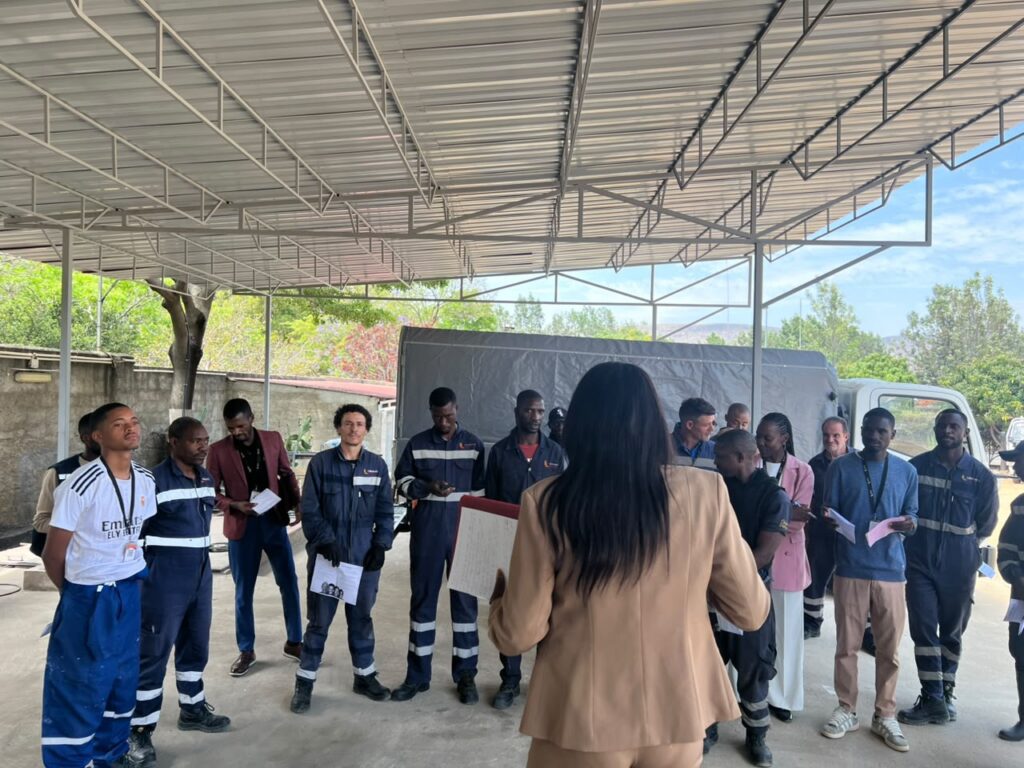
As part of its ongoing commitment to Occupational Safety, Health and Hygiene (OSH), the Liberatos Group held the first Daily Safety Dialogue (DDS) session on August 6, 2026, led by the General Director, Engineer César Liberato.

During the meeting, management reinforced that safety depends on the active participation of all employees. In this regard, it highlighted that each professional plays an essential role in identifying risks, reporting unsafe situations, and requesting the necessary equipment to perform their duties safely and efficiently.

Furthermore, specific protection measures for each area of ​​activity were reiterated. In the metalworking area, the mandatory continuous use of gloves and safety glasses was emphasized. In fuel distribution, the use of special gloves to protect the skin from the harmful effects of the handled products was stressed. Similarly, the use of safety boots, protective suits, and helmets remains essential in hazardous areas.

On that occasion, the Director emphasized that prevention should be part of the work routine and that compliance with safety standards protects not only employees, but also their families and the continuity of the company’s operations.

“No one comes to work to have accidents, but rather to earn a living for their families. Workplace safety is essential, and the goal is to achieve zero accidents,” stated César Liberato.

With this initiative, the Liberatos Group reaffirms its commitment to promoting a culture of prevention, responsibility, and continuous improvement, placing the protection of people at the center of its priorities.

Exclusive Breastfeeding is Essential for Infant Health

As part of the “Golden & White August” awareness campaigns, the “Vamos Falar de Sáude” program, broadcast on Radio Huíla and live on the Liberatos Group’s Facebook page, featured Dr. Cláudio dos Santos discussing the importance of exclusive breastfeeding and the care needed during the transition to complementary feeding.

Breast milk remains the best option

During the interview, Dr. Cláudio dos Santos explained that breast milk is the primary source of nutrition for newborns. In addition to providing all the necessary nutrients, it offers antibodies that strengthen the immune system and contribute to healthy growth.

When comparing breast milk to infant formulas, the specialist clarified that the latter represent an alternative only in specific situations. However, he emphasized that no industrialized product can reproduce the biological complexity or the immunological benefits provided by breast milk.

Risks of Early Interruption of Breastfeeding

The doctor warned about the reality observed in the Huíla province, especially in the municipality of Lubango. He explained that interrupting exclusive breastfeeding before six months or the inappropriate introduction of other foods can increase the risk of gastrointestinal infections, malnutrition, and delays in the physical and cognitive development of children.

Therefore, he reinforced that compliance with medical recommendations is fundamental to reducing childhood health problems and ensuring adequate development.

Hygiene is also part of the care

Another topic highlighted during the conversation was maternal hygiene. According to the specialist, mothers should adopt rigorous care before each breastfeeding session.

Thus, proper cleaning of the breast area helps reduce the risk of transmission of bacteria and other pathogens to the baby during direct contact.

Complementary feeding should be gradual

Regarding complementary feeding, Dr. Cláudio dos Santos explained that it should begin at six months of age. Furthermore, he recommended that the introduction of food be done gradually, in a balanced way, and adapted to locally available products.

The expert also reinforced that breastfeeding should continue, whenever possible, until two years of age or more, according to international recommendations.

Watch the full interview

To learn about all the recommendations, clarifications, and tips shared by Dr. Cláudio dos Santos, watch the full interview on the official channels of the Liberatos Group.

YouTube: https://www.youtube.com/@LIBERATOS_ANGOLA

Facebook: https://web.facebook.com/share/v/1Hm6AwcXzx/

A Healthy Smile Begins in Childhood

Children’s oral health requires attention from the first days of life. In an interview on the program “Vamos Falar de Saúde” on Radio Huíla, Dr. Magda Século Paulo, a specialist in General and Family Medicine, warned about the risks of neglecting children’s teeth.

According to the specialist, tooth decay is one of the most frequent oral diseases in childhood. The disease causes the progressive destruction of tooth tissues and, therefore, should be prevented from an early age.

In addition, lack of oral hygiene can cause intense pain, infections, and premature tooth loss. In more serious cases, it can also compromise speech development and make chewing difficult.

On the other hand, adopting proper hygiene habits offers important benefits. Regular brushing strengthens teeth, helps maintain fresh breath, and contributes to the healthy development of the jaw structure.

For effective brushing, Dr. Magda recommends that the procedure last about two minutes. The movements should be gentle, short, and circular, always from top to bottom.

Equally important is brushing the tongue. The movement should be from the inside out, as this helps eliminate bacteria and prevent bad breath.

In addition to daily hygiene, a balanced diet plays an essential role in oral health. A diet rich in vitamins and minerals strengthens teeth and promotes their development. Regular visits to the dentist are also fundamental, allowing for the prevention and early identification of problems.

Therefore, taking care of oral health from childhood is an investment in well-being and quality of life.

Don’t miss the guidance from the program “Let’s Talk About Health,” broadcast every Wednesday. Clarify your doubts and discover how to protect your family from preventable diseases.

You can also watch this and other episodes on the Liberatos Group’s YouTube channel: www.youtube.com/@LIBERATOS_ANGOLA.

Vaccination is the most effective way to prevent diseases, says specialist

The specialist in General and Family Medicine, Dr. Jéssica Pilartes, defended, this Tuesday (22), the importance of vaccination as one of the main measures for disease prevention and protection of public health, during the edition of the program “Vamos Falar de Saúde”, broadcast by Rádio Huíla and live on the official page of the Liberatos Group.

In the interview, the specialist explained that vaccines strengthen the immune system, preventing serious diseases that, in the past, caused high mortality. She also highlighted that keeping the national vaccination schedule up to date is the safest way to protect children and adults.

Addressing families, she appealed to parents to take their children to vaccination centers, reinforcing that “vaccination is a child’s right and a parent’s duty”, underlining that the benefits of immunization outweigh any mild and temporary reactions.

During the conversation, the doctor discussed the main vaccines in Angola’s national vaccination schedule, including those administered at birth, such as BCG and Hepatitis B, as well as vaccines against polio, measles, rotavirus, and the pentavalent vaccine, highlighting their role in preventing serious complications and permanent sequelae.

Dr. Jéssica Pilartes also reminded the public that vaccination should accompany citizens throughout their lives, with boosters in adulthood and special attention for pregnant women and the elderly. At the end of the interview, she encouraged the population to combat misinformation, seek medical advice, and ensure that the entire family adheres to the vaccination schedule.

The complete interview is available on the official Liberatos Group channels on YouTube and Facebook.

Ideal Weight: Expert Explains How to Maintain a Healthy Life

As part of the “Vamos Falar de Saúde” program, broadcast this Wednesday, July 15th, on Radio Huíla and live on the Grupo Liberatos pages, Dr. Luzia Palaia, a specialist in General and Family Medicine, spoke about an essential health topic: what should be a person’s ideal weight and what foods should we consume to maintain it throughout life.

The initiative is part of the Yellow and Green July campaigns, dedicated to raising awareness of viral hepatitis and the prevention of head and neck cancer. Furthermore, it reinforces the importance of adopting healthy habits as a way to prevent various diseases.

What is ideal weight?

During the interview, the doctor clarified that ideal weight does not correspond to a single number. On the contrary, it is a range of values ​​appropriate to each person’s height, age, sex, and physical constitution.

“Ideal weight isn’t just a single rigid number, but rather a range of values ​​that suits each individual’s height, age, sex, and physical constitution, and which is reflected in the proper functioning of all the body’s systems,” she explained.

According to the specialist, this value is frequently assessed using the Body Mass Index (BMI). However, she stressed that it’s also important to consider the distribution of body fat and the amount of muscle mass.

Benefits of maintaining a healthy weight

Maintaining a healthy weight brings numerous advantages to the body. Among the main benefits, Dr. Luzia highlighted:

  • Reduced risk of cardiovascular disease;
  • Prevention of type 2 diabetes;
  • Lower probability of joint problems;
  • Decreased risk of some types of cancer;
  • Improved mood and physical capacity;
  • Better sleep quality;
  • Boosted self-esteem and emotional well-being.
  • A balanced diet is fundamental

Diet plays a decisive role in maintaining an ideal weight. Therefore, the specialist recommended a varied and balanced diet.

“We should prioritize vegetables, fruits, whole grains, legumes, and lean proteins, such as fish, poultry, and eggs. In addition, we should include healthy fats, present in olive oil, nuts, and oily fish,” she stated.

On the other hand, she advised reducing the consumption of sugars, salt, saturated fats, and processed foods. Similarly, she reminded everyone of the importance of drinking water regularly to ensure good hydration.

Prevention begins with good habits

When addressing obesity, the doctor emphasized that it is a condition that can be prevented through healthy choices.

“Prevention is always the best way to avoid disease,” she stressed.

According to her explanation, factors such as sedentary lifestyles, unbalanced diets, and the environment in which we live contribute to the increase in obesity. Thus, adopting good habits from an early age makes all the difference.

Among these habits, she highlighted mindful eating, regular physical activity, and quality sleep. Furthermore, she recommended eating slowly, chewing food well, and having meals in a calm environment. These behaviors foster a better relationship with food and contribute to well-being.

Watch the full interview

To learn all the explanations, recommendations, and tips from Dr. Luzia Palaia, watch the full interview on the official channels of the Liberatos Group.

YouTube: https://www.youtube.com/@LIBERATOS_ANGOLA

Facebook: https://web.facebook.com/share/v/1JxyD7QhjS/

Information is one of the best tools for prevention. Therefore, taking care of your health also begins with being well-informed.

Medical screenings reinforce well-being at the Liberatos Group

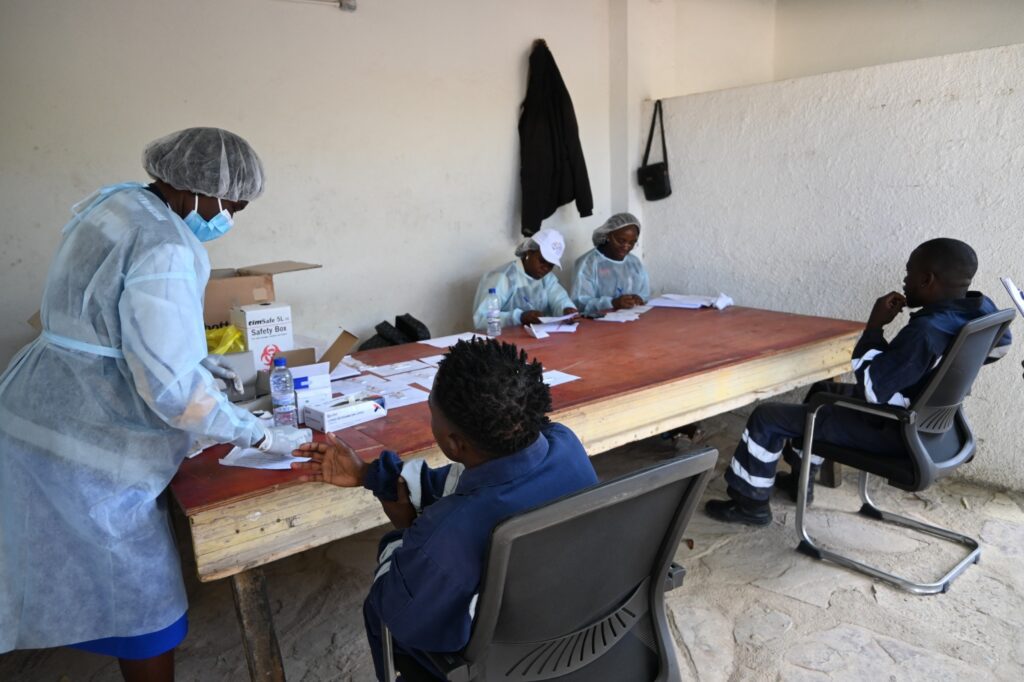
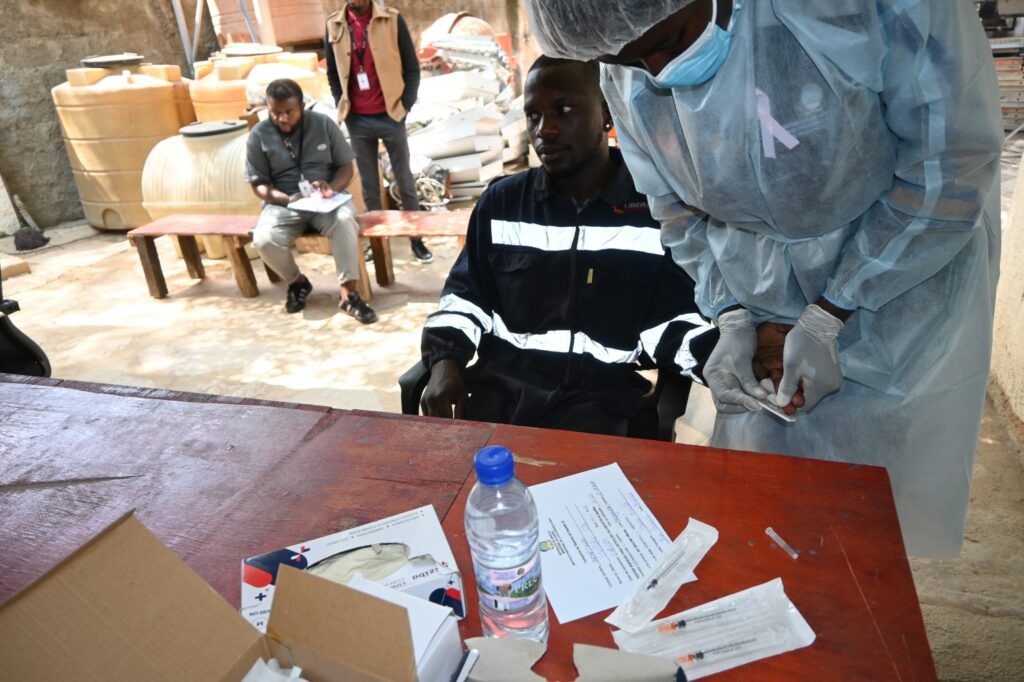
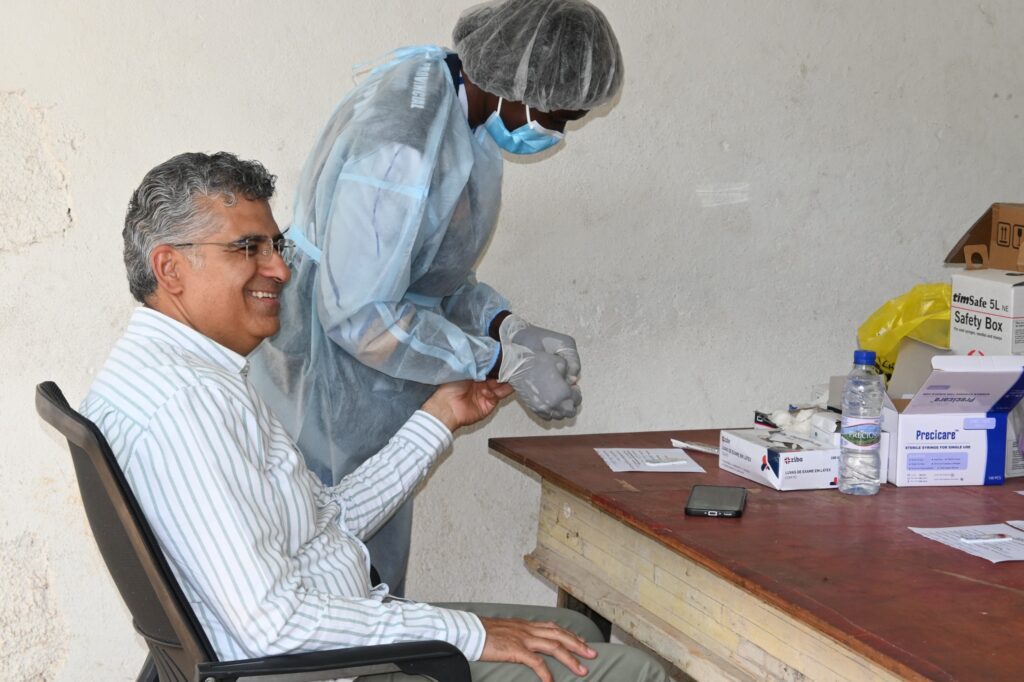
As part of its ongoing policy of social responsibility and valuing human capital, the Liberatos Group once again promoted a day of routine medical examinations and preventive screenings for its employees, in partnership with the Serneyle Medical Center.

The initiative, held at the company’s facilities, is part of a series of regular actions developed by the Group to promote health, prevent disease and reinforce a culture of well-being in the workplace, demonstrating a continuous commitment to the protection of its workers.

The activity was carried out in accordance with the guidelines for Occupational Health and Safety (OHS), reaffirming the importance that the organization attaches to prevention and periodic monitoring of the health status of its staff.

During the event, professionals from the Serneyle Medical Center conducted various clinical assessments, including blood pressure measurement, heart rate monitoring, oxygen saturation checks, and other routine examinations, allowing for the early identification of potential risk factors and encouraging the adoption of healthier lifestyle habits.

For the management of the Liberatos Group, investing in the health of its employees represents a strategic commitment. Healthy teams work with greater safety, motivation, and productivity, directly contributing to the quality of services provided and the sustainable growth of the company.

More than a one-off action, this initiative reflects a consolidated practice in the organizational culture of the Liberatos Group, which has been regularly promoting activities for prevention, awareness, and monitoring of the health of its employees. The company believes that caring for people is investing in its greatest asset: human capital.

With this latest round of medical screenings, the Liberatos Group reaffirms its commitment to continue creating an increasingly safe, healthy, and well-being-oriented work environment for all those who contribute daily to the organization’s success.

Healthy Lifestyle in Focus on Let’s Talk About Health

As part of the “Yellow & Green July” campaigns, dedicated to raising awareness about the fight against viral hepatitis and head and neck cancer, the radio program “Vamos Falar de Saúde” broadcast on Rádio Huíla (96.2 / 96.6 FM), featured a very special guest. Presenter Lucrécia Miguel welcomed Dr. Helena Glória Benedito Sachilombo, a renowned specialist in General and Family Medicine, to the studio for an enlightening and vital conversation about adopting a healthy lifestyle.

During the broadcast, Dr. Sachilombo demystified the main concepts surrounding physical and mental well-being. According to the specialist, a healthy lifestyle is not just about the absence of disease or restrictive diets, but rather a set of daily habits that promote longevity and quality of life. The concept is based on a continuous balance between proper nutrition, regular physical activity, adequate rest, and mental health. The doctor detailed the numerous direct benefits of this preventative behavior. “Opting for more conscious daily choices acts as a true protective shield for our bodies,” she stated. Among the main advantages highlighted by the specialist are:

  • A drastic reduction in the risk of developing chronic non-communicable diseases—such as hypertension, diabetes mellitus, and cardiovascular problems;
  • A significant improvement in daily disposition and a strengthening of the immune system.

The doctor also explained that small gestures, such as increasing water consumption, reducing the intake of sugars and saturated fats, and combating sedentary lifestyles with daily walks, generate a profound impact on public health in the long term.

At a time when the Liberatos Group is reinforcing its social commitment through the motto “We Build and We Care,” with the institutional support of the Government of Angola and the Provincial Government of Huíla, this interview serves as an urgent appeal for active prevention and self-care, fundamental pillars for the development of a stronger and more resilient society.

If you didn’t have the opportunity to watch this enriching dissertation live, or if you wish to review the valuable recommendations and detailed explanations of Dr. Helena Sachilombo, watch the complete interview on the official digital platforms of the Liberatos Group on YouTube and Facebook:

Liberatos Group Reinforces Presence in Cunene with Simultaneous Restoration of Several Bank Branches

Liberatos Group teams were deployed to the towns of Ondjiva and Santa Clara, covering strategic points in the Cunene province, where simultaneous renovation work was carried out on several bank branches belonging to Banco de Fomento Angola (BFA) and Banco Internacional de Crédito (BIC).

The operation mobilized specialized teams from different technical areas, allowing the parallel execution of several interventions without compromising the quality of services or the established deadlines.

The work included civil construction finishing, renovation of interior and exterior painting, as well as specialized technical maintenance actions, including the overhaul and repair of industrial generators, essential for the continuity of energy supply, and the inspection, monitoring and maintenance of electrical systems.

Although the Liberatos Group has been providing this type of service to BFA and BIC banks in the southern region of the country for several years, this operation stood out for the simultaneous execution of multiple interventions in different branches, demonstrating the company’s technical, logistical, and operational capacity to respond to larger and more complex projects.

More than a one-off intervention, this operation reaffirms a long-standing partnership built on trust, rigor, and the quality of services provided.

Over the years, the Liberatos Group has consolidated its position as a leading partner in the maintenance and rehabilitation of banking infrastructure, efficiently meeting the needs of its clients and contributing to the continuous improvement of the operating conditions of the institutions it serves.

Kidney Failure and Hemodialysis

The first edition of “Vamos Falar de Saúde” this month offered an in-depth look at a topic of extreme relevance to public health: Kidney Failure and Hemodialysis.

During the broadcast hosted by Lucrécia Miguel, Dr. Kassongo Tchiyama detailed the critical aspects of this silent pathology. According to the specialist, kidney failure is characterized by the progressive and irreversible loss of kidney function, vital organs responsible for filtering blood and eliminating toxins from the body.

The evolution of the pathology usually comprises five distinct phases, detailing how the dysfunction occurs in the human body.

  • In the initial stage (Phase 1), the kidneys show slight lesions but operate with a normal filtration rate.
  • As the disease progresses to Phases 2 and 3, a mild to moderate reduction in this capacity is observed, often with the first clinical signs appearing, albeit subtle.
  • In Stage 4, functional loss is already severe, requiring rigorous medical monitoring to avoid fatal complications.
  • Finally, Stage 5 represents end-stage renal failure, the point at which the kidneys lose the ability to sustain life autonomously.

At this terminal stage, Dr. Kassongo Tchiyama emphasized the vital importance of hemodialysis. This medical treatment acts as an artificial kidney, regularly cleaning and filtering the patient’s blood to ensure their survival.

However, the specialist expressed great concern regarding prevention, strongly urging the population to undergo preventive medical consultations and routine examinations in order to identify the disease early, before the damage becomes irreversible.

To watch the full interview and follow in detail all the explanations and recommendations shared by Dr. Kassongo Tchiyama, access the official pages of the Liberatos Group on Facebook and YouTube.

Dedication and Excellence in Focus: Liberatos Group Honors Employees of the Month

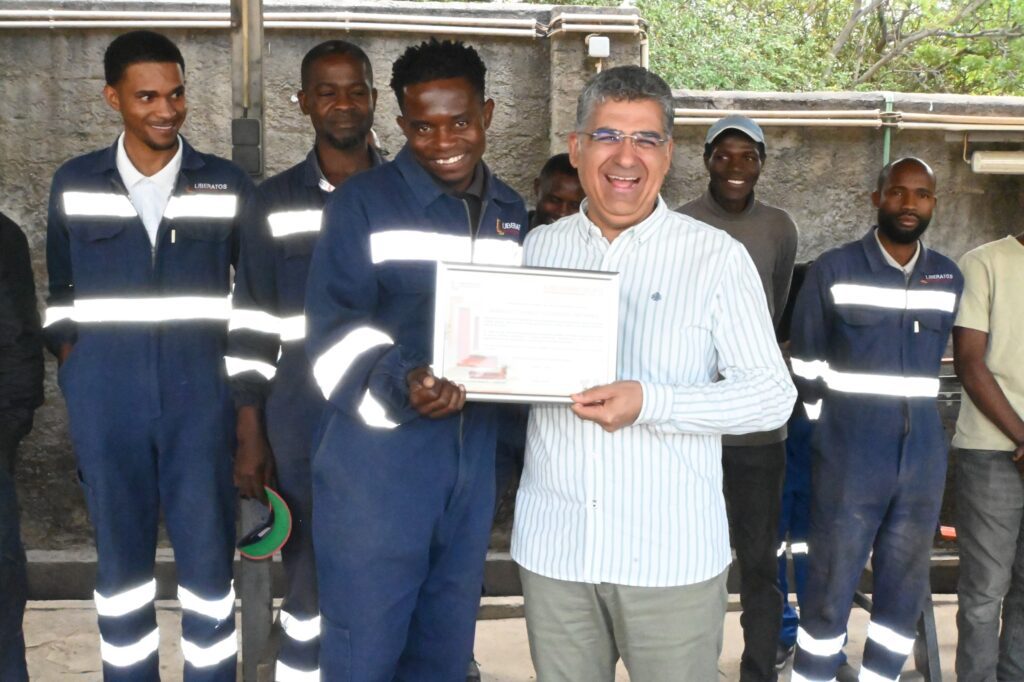
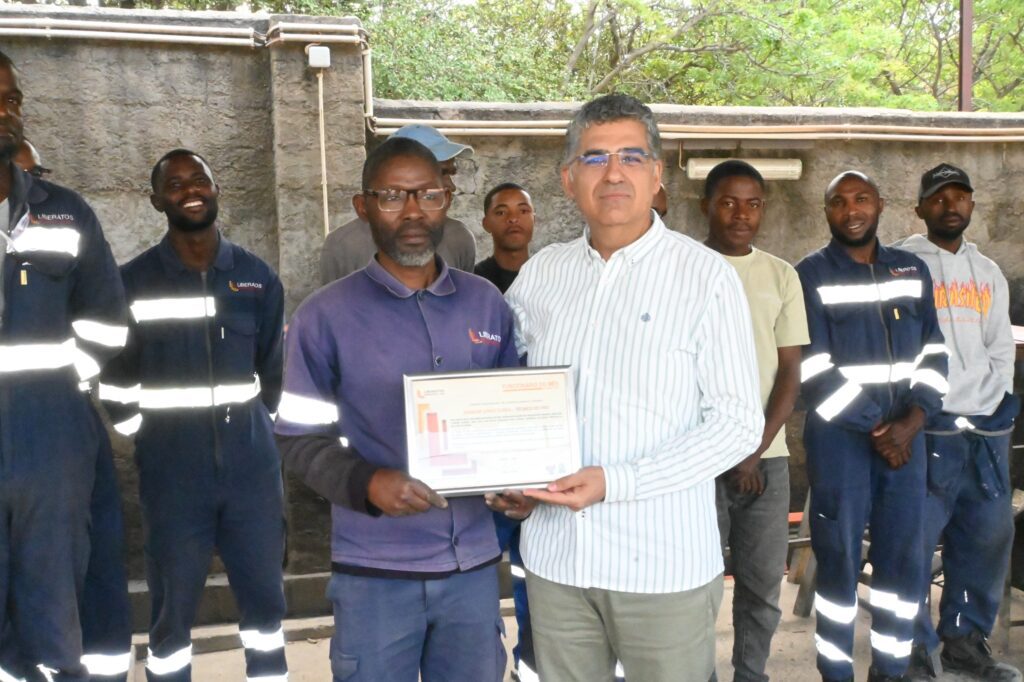
With immense pride and a deep sense of gratitude, the Liberatos Group is honored to announce the Employees of the Month for June: Luís D. S. Chitangui and Marcos Mayer Gaspar.

At our subsidiaries, Liberatos Construções, Lda. and Liberatos Manutec, Lda., great projects and excellent services are not built alone. They are the result of the talent, dedication, and commitment of extraordinary professionals. Luís and Marcos embody, with distinction, the institutional motto “We Build and We Care.” With high technical rigor, team spirit, and exemplary conduct, they have demonstrated that true professionalism is evident every day through well-executed work and assumed responsibility.

For Management, human capital is, without a doubt, the organization’s most valuable asset. Publicly recognizing these two professionals represents not only a just reward for individual merit but also a reaffirmation of the Liberatos Group’s ongoing commitment to valuing, developing, and recognizing those who contribute daily to its growth.

The success achieved in each project developed in Angola is a direct reflection of the commitment, pride, and excellence of employees like Luís Chitangui and Marcos Gaspar. By recognizing them as Employees of the Month for June, the Liberatos Group pays them a well-deserved tribute and encourages all employees to continue to base their work on the highest standards of quality, professionalism, and dedication.

“We extend our sincerest congratulations to Luís Chitangui and Marcos Gaspar for this well-deserved distinction. We are fully confident that they will continue to lead by example and raise the name of the Liberatos Group to ever higher levels. Thank you very much for your excellent work,” stated the General Director, César Liberato.